
Collections
Our Collection is a Resource for Learning, Exploring and Understanding
Art
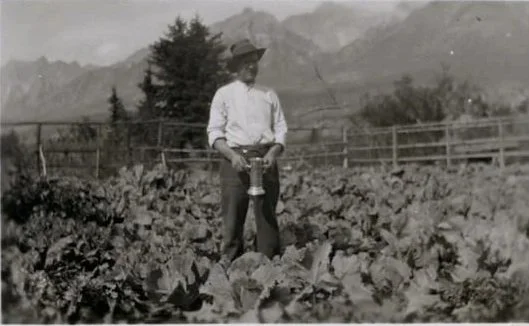
The Canmore Museum’s growing permanent art collection illustrates the built, industrial, and natural landscapes of Canmore and the Bow Valley and the human engagement with these landscapes and with one another over the past 150 years. The work includes art photography, watercolours, acrylics, oils, and pen and ink, reflecting a diversity of eras and styles from realist to modernist, historical to contemporary
Objects
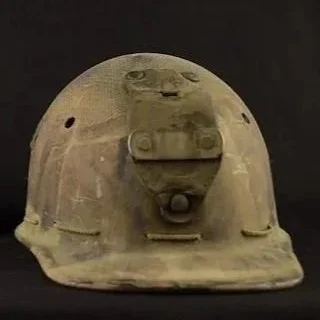
The Canmore Museum’s growing permanent object collection covers many aspects of the history of life in Canmore. Objects in the museum’s collections reflect settlement history, with a focus on industrial history, home life, the immigrant experience, wartime experiences, RCMP (NWMP, RNWMP, RCMP) history, and the history of sport including the 1988 Winter Olympics for which Canmore served as a host community. The Canmore Museum has chosen specifically not to collect Indigenous artefacts, believing that those objects are best served within the Nation whose history and culture they represent.
Archives
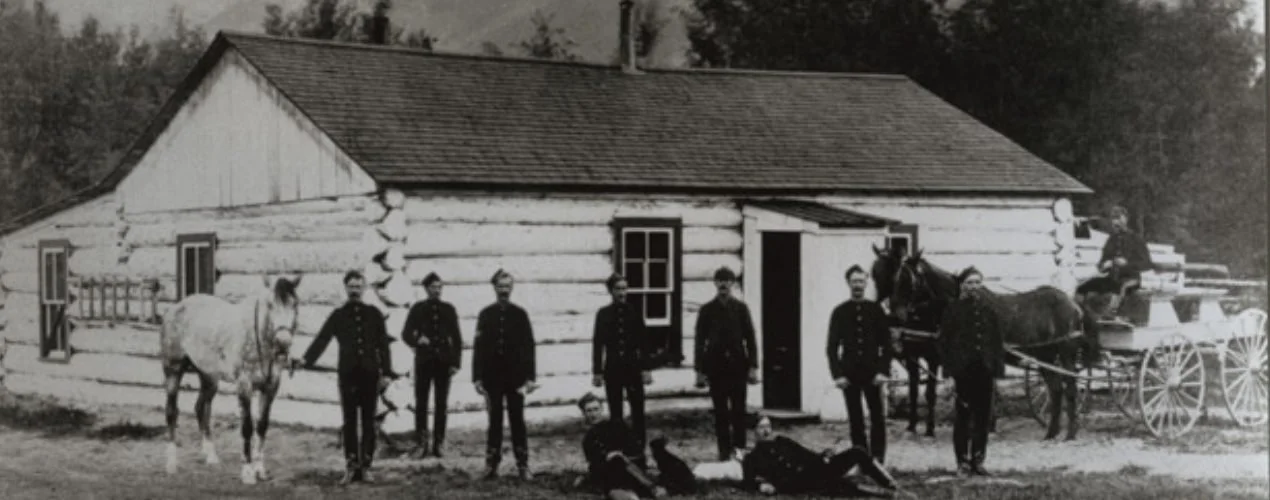
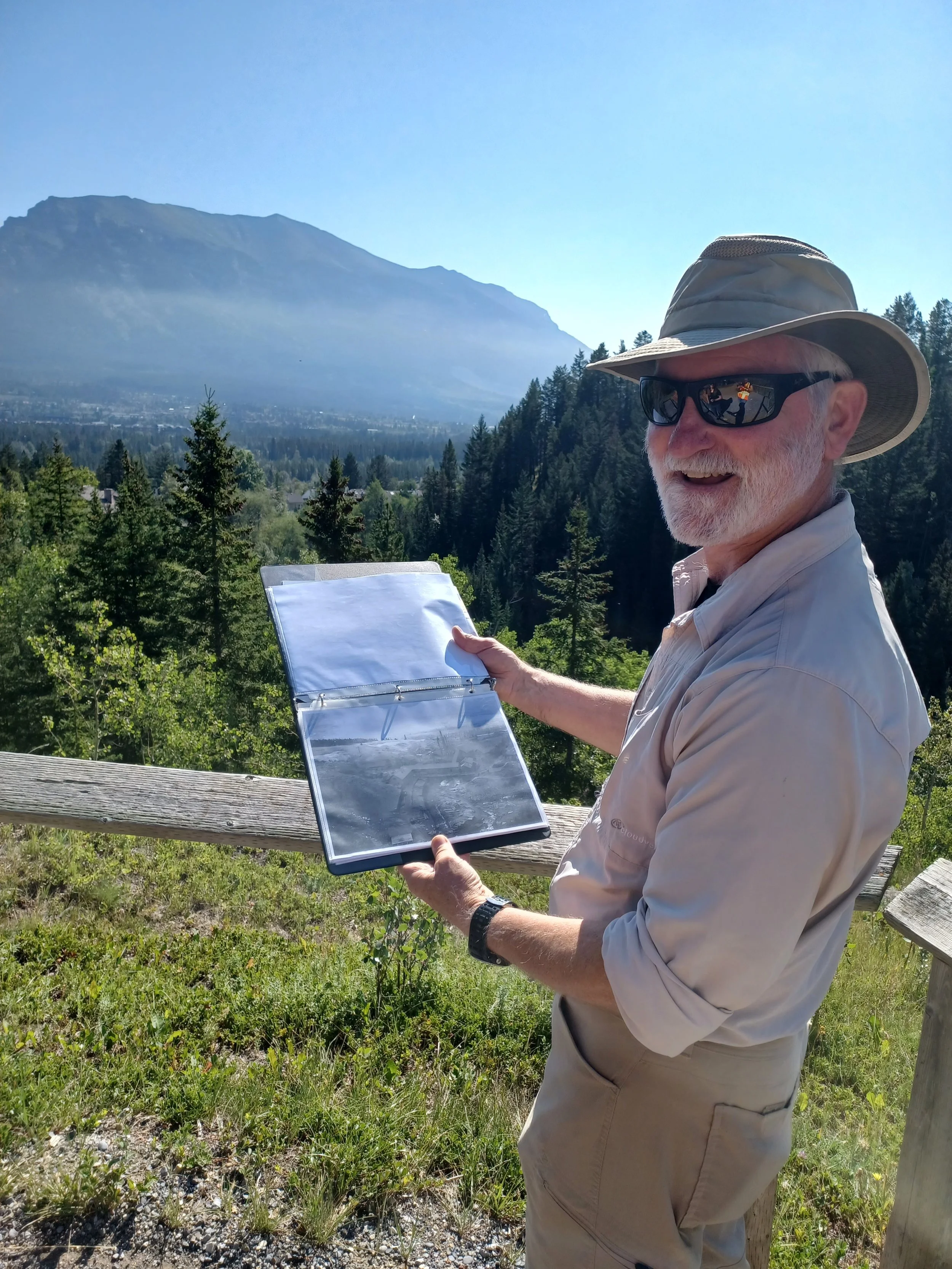
The Canmore Museum archival holdings consist of valuable records generated by, or relating to, the history of the people and industry of Canmore and the immediate area. The collections include The Canmore Mines records, Town of Canmore records, and privately donated records which document the human and industry history of the region. Strengths of the paper archival holdings include hundreds of blueprints, maps, and technical drawings relating to various mine companies and mining activities, daily registries from the mines, school registries spanning the 1920s – 1990s, and Canmore newspapers from the early 1900s. The photographic collection is extensive and details mining development and activities, the development of the town, the 1988 Olympics, local landscapes, and flooding issues over decades.
Donating to our collections
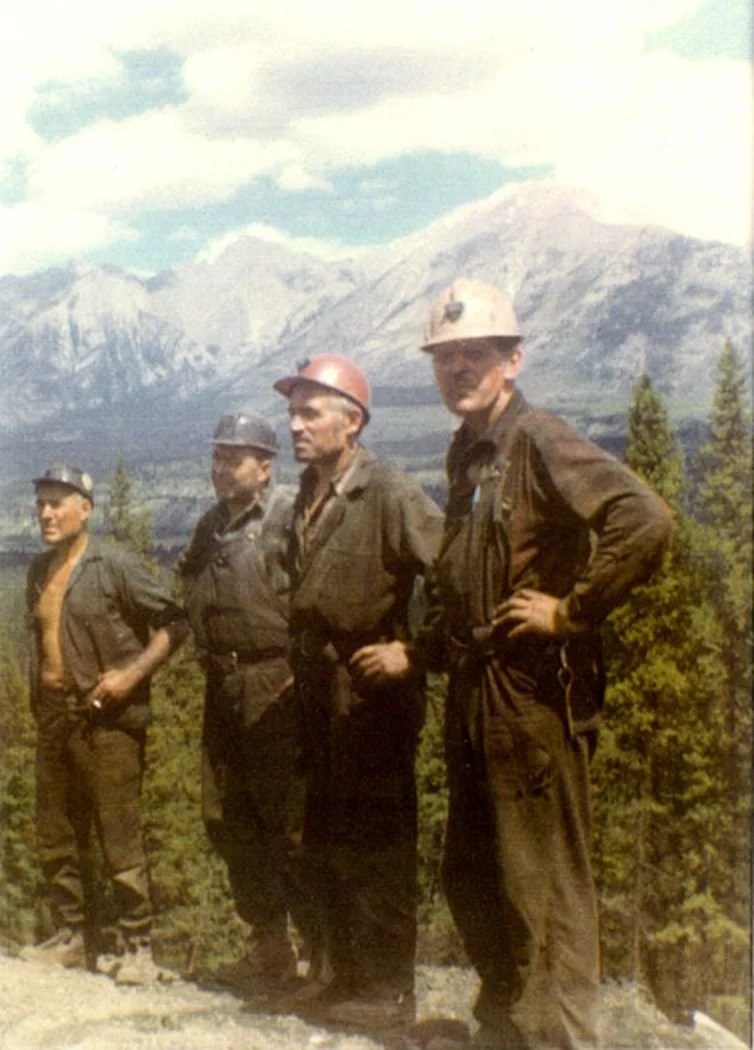
We collect and share stories that matter to our community.
Since 1984, the Canmore Museum has collected material that represents the culture, history and landscapes of our region. Every item is acquired into the collection with the intention that it should be used to learn, understand, spark curiosity and inspire.
Our goal is to collect and share stories that matter to our community. Each object holds a story (or many!). They can also inspire new stories and a greater understanding by those who come to encounter them in our exhibits, programs and online collections.
The collection at the Canmore Museum focuses primarily on the human history of Canmore. We collect and care for objects that represent the history, culture, and lifestyles of all of the people who have called the Bow Valley (from Morley to the Banff National Park Gates) home. We welcome new additions to our collection.
We have several criteria that help us decide when an object is a good fit for the Canmore Museum. Since we have limited resources, each object we accept must fit in with our collecting mandate and serve a particular purpose within the museum’s work.
All objects require the following attributes:
Hold a story: each object we accept must tell a story about life in the Bow Valley, be it past or present.
Be of high quality: the object must either be in good condition, or be so essential to the history of the Bow Valley that we feel justified in using resources to care for/restore it.
Have no conditions placed upon them: once an object becomes part of our collection, and you sign a gift agreement, the Museum is able to handle that material in whatever way we deem necessary. This may include adding it to our teaching collection, or deaccessioning it should it no longer be a good fit for our goals or if the cost of taking care of the object exceeds its usefulness to the museum’s mission.
To donate to us, there is a specific process that artefacts and donors must follow. Firstly, the potential donor must provide the collections management team with as much information about the history of the object as possible, including provenance (how the donor acquired it), where and when it was made, who used it, how it was used, and especially why it was important to that person’s, event’s, or organization’s story. The collections management team and committee will then determine if the object fits the collection, and if the object is deemed suitable the donor will sign the object over to the permanent and legal care of the museum with a gift agreement.
Contact Us
If you have an object that you believe is a good fit for our collection, please email our Collections & Exhibitions Manager. It is helpful if you are able to include a short description and history of the object as well as a photograph.
COLLECTIONS & EXHIBITIONS TEAM